Social media has become one of the most important marketing channels for businesses looking to build brand awareness, engage customers and generate leads online. Platforms like Instagram, Facebook, LinkedIn and TikTok allow businesses to connect directly with their audience in a way that traditional advertising never could.
At the same time, many businesses are unsure where to focus their efforts. Some rely heavily on organic posting and expect strong growth from content alone, while others invest entirely in paid advertising without building a consistent brand presence alongside it.
The reality is that both paid social ads and organic social media have an important role to play. They simply serve different purposes within a successful digital marketing strategy.
What Is Organic Social Media?
Organic social media refers to the unpaid content a business posts on its social channels. This includes regular posts, videos, stories, updates and customer engagement.
Organic content helps businesses build trust and familiarity over time. It allows brands to showcase their personality, share expertise and stay visible to existing followers.
For many users, a company’s social media profile acts as a first impression. When profiles are active, informative and consistent, it helps reassure potential customers that the business is engaged and credible.
However, social media platforms have changed significantly in recent years. Organic reach is far more limited than it once was, with algorithms prioritising personal content, video engagement and paid promotion. Even strong content may only reach a small percentage of followers.
That does not mean organic social media is no longer valuable. It simply means businesses need to approach it with realistic expectations and a clear strategy.
What Are Paid Social Ads?
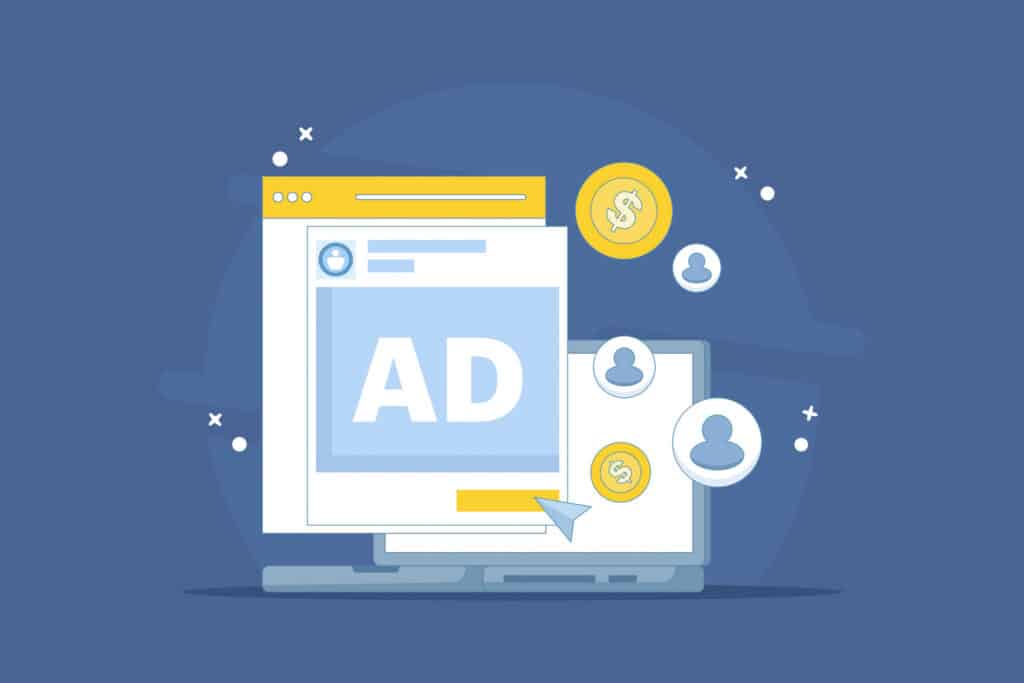
Paid social advertising allows businesses to promote content directly to targeted audiences through sponsored campaigns.
Unlike organic posting, paid advertising gives businesses much greater control over who sees their content. Campaigns can target users based on interests, location, demographics, online behaviour and previous interactions with the business.
This makes paid social especially effective for increasing visibility, driving website traffic, generating leads and supporting sales-focused campaigns.
One of the biggest advantages of paid social ads is speed. While organic growth can take time, paid campaigns can quickly place a business in front of new audiences.
Paid advertising also provides valuable performance data. Businesses can see which ads are generating clicks, leads or engagement and adjust campaigns based on real results.
Why Organic Social Media Still Matters
Despite the growth of paid advertising, organic social media remains an important part of a strong online presence.
When people discover a business through an ad, they often visit the company’s social profiles before making contact. If those profiles appear inactive or inconsistent, it can affect trust.
Organic content helps support the customer journey by giving users a better understanding of the business, its values and its expertise.
It also allows businesses to share content that may not fit naturally into a paid advertisement, such as behind-the-scenes updates, educational insights, customer stories and company news.
While organic social media may not always drive immediate leads, it plays an important role in building long-term brand awareness and customer confidence.
Why Paid Social Advertising Has Become So Important
Although organic social media remains valuable, relying on unpaid reach alone has become increasingly difficult for businesses looking to grow online.
Most platforms now limit how many people see unpaid content. Even businesses with large followings may struggle to reach their audience consistently without advertising support.
Paid social advertising helps overcome this by placing content directly in front of targeted users.
This is especially important for businesses focused on measurable results such as enquiries, bookings or sales. Paid campaigns allow businesses to scale visibility much faster while targeting audiences that are more likely to convert.
Paid advertising also allows businesses to test different messaging, audiences and creative formats in a more strategic way. This helps improve campaign performance over time and gives clearer insight into what resonates with potential customers.
The Best Results Usually Come From Both
One of the biggest misconceptions in social media marketing is that businesses need to choose between paid ads and organic content.
In reality, the strongest strategies use both together.
Organic social media helps build trust, consistency and brand identity. Paid social advertising helps expand reach, attract new audiences and generate conversions.
For example, a potential customer may first discover a business through a paid advertisement. Before making an enquiry, they may then visit the company’s social media profiles to learn more about the brand. Strong organic content helps reinforce confidence and encourages action.
Likewise, successful organic posts can often become highly effective paid advertisements when promoted to larger audiences.
Rather than competing with one another, paid and organic social media work best when they support the same overall strategy.
Common Challenges Businesses Face
Many businesses understand the importance of social media marketing but still struggle to achieve consistent results.
Some find it difficult to maintain regular content creation while managing other areas of the business. Others are posting consistently but not seeing meaningful engagement or enquiries.
Paid campaigns can also become difficult to manage as platforms continue introducing new tools, automation features and targeting options.
This is completely understandable. Social media marketing has become more competitive and more technical over time. What worked a few years ago may not deliver the same results today.
That is why many businesses eventually seek professional support, not because they have failed, but because they want a clearer strategy and stronger return from their marketing efforts.
How Sprint Digital Helps Businesses Grow Through Social Media
At Sprint Digital, we help businesses create social media strategies that combine strong organic content with effective paid advertising.
Some businesses need support building a more consistent online presence, while others want to improve the performance of their paid campaigns and generate more qualified leads.
Our approach focuses on understanding business goals first and then building campaigns and content strategies that support long-term growth.
Social media marketing works best when paid and organic efforts work together. With the right strategy in place, businesses can build stronger visibility, better audience engagement and more reliable results online.


