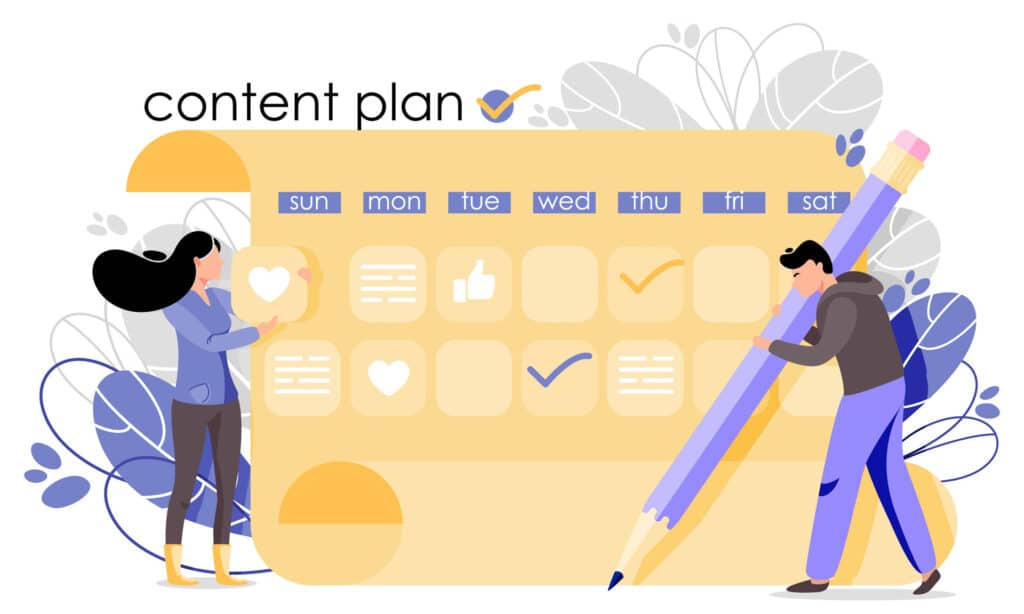
Organic social media remains one of the most powerful ways to build trust, connect with your audience, and keep your brand front of mind in 2025. Even with constant algorithm changes and the growing importance of paid advertising, organic content is still the foundation of a strong online presence. When done intentionally, it supports every stage of the marketing funnel, strengthens brand loyalty, and builds a real community around your business.
What Organic Social Means in 2025
Organic social media refers to the unpaid content you publish on your brand’s social channels. But the landscape has changed significantly. In 2025, organic social is less about posting as much as possible and more about posting with purpose.
Platforms like Instagram, TikTok, LinkedIn, and Facebook now prioritise relevance, retention, and genuine interaction. This means brands that perform well organically focus on content people want to engage with, save, share, and come back to.
Organic social in 2025 is defined by:
Community-driven engagement
Audiences expect real interaction. Responding to comments, joining conversations, and participating in discussions matter more than ever.
Story-led content
Users prefer authentic, behind-the-scenes insights and value-driven posts rather than heavily polished or corporate messaging.
Multi-format content
Short-form videos, carousels, Stories, Lives, static posts, and long-form captions all contribute to a well-rounded presence.
Algorithm awareness
A basic understanding of how platforms prioritise content helps you publish the right posts at the right time.
A strong organic strategy acknowledges these shifts and adapts to meet audience expectations.
Set Clear Goals and KPIs
Too many brands post content without a clear purpose. Goals give your strategy direction, and KPIs help you measure progress in a meaningful way.
Start by choosing one or two primary goals, such as:
- Increasing brand awareness
- Growing a more engaged community
- Driving more website traffic
- Increasing social interactions (likes, comments, shares, saves)
- Supporting recruitment efforts
- Strengthening brand positioning
- Generating leads or enquiries
Once goals are in place, assign KPIs that reflect progress. For example:
- Brand awareness: reach, impressions, follower growth
- Engagement: comments, saves, shares, engagement rate
- Traffic generation: link clicks, website sessions from social
- Lead support: enquiries mentioning social, DMs, form submissions
Organic growth takes time. Consistency and quality matter far more than overnight results.
Build Content Pillars That Keep You Focused
Content pillars give your strategy structure and make planning easier. They help you avoid repetition and ensure every post supports your brand and your audience’s needs.
A strong organic strategy usually includes three to five pillars such as:
Educational Content
Teach your audience something valuable. This may include quick tips, how-tos, industry insights, short guides, FAQs, or myth-busting posts. Educational content positions your brand as a trusted expert.
Brand and Values
Show who you are and what you stand for. This can include behind-the-scenes content, team stories, company culture, and milestones. These posts humanise your brand and build loyalty.
Product or Service Promotion
Showcase your offering without sounding pushy. Focus on benefits, client results, testimonials, case studies, or before-and-after transformations. Value-first promotion performs best.
Engagement and Community Content
Create posts designed to spark interaction. Polls, questions, relatable scenarios, and “tag someone who…” posts encourage conversation and help the algorithm recognise active engagement.
Trends and Timely Moments
Share relevant trends, seasonal content, awareness days, or industry updates. Only participate in trends that genuinely fit your brand’s tone and audience.
Clear content pillars make planning faster and help ensure your content stays consistent and strategic.
Plan Your Content in Advance
Planning ahead helps you stay consistent, avoid last-minute scrambling, and maintain quality. It also ensures your content supports upcoming campaigns, launches, or business priorities.
Good planning typically includes:
- A monthly or biweekly content calendar
- A healthy mix of formats such as reels, carousels, Stories, static images, and text-based posts
- Notes on captions, calls to action, and hashtag ideas
- Alignment with marketing campaigns or events
- Time allocated for community management
Aim for quality over quantity. A few strong posts each week will always outperform daily posts with little purpose.
Tips for Maintaining Consistency and Brand Voice
Consistency helps audiences recognise and trust your brand. Here’s how to maintain it:
Keep Your Brand Voice Clear
Your tone should reflect your brand personality. Friendly, playful, expert, or professional choose your voice and keep it consistent across all posts and platforms.
Create Templates and Visual Guidelines
Save time by designing branded templates for recurring content types like quotes, tips, or announcements. This strengthens visual identity and improves workflow.
Use Scheduling Tools
Tools such as Later, Hootsuite, Buffer, and Sprout Social can streamline posting and provide performance insights.
Batch Create Content
Set aside time weekly or monthly to film videos, write captions, or design graphics. Batching reduces stress and ensures you always have content ready.
Monitor and Adjust Based on Data
Review your analytics regularly to identify what performs well and what doesn’t. Let data guide your decisions, not guesswork.
When to Combine Organic and Paid For Better Results
Organic social is excellent for building trust, nurturing your audience, and increasing loyalty. Paid social excels at accelerating reach, targeting specific audiences, and driving conversions.
When used together, they create a stronger, full-funnel strategy.
Pair organic with paid when:
- You have a high-performing organic post that’s worth amplifying
- You are launching a new product, service, or campaign
- You want to increase traffic or conversions
- You want to reach new audiences quickly
- You need support across awareness, consideration, and action stages
Organic nurtures the community you already have. Paid helps you reach people you have not met yet. Together, they create a more complete and effective social strategy.
Final Thoughts
A successful organic social media strategy in 2025 is intentional, consistent, and value focused. It blends creativity with clear goals and adapts to what your audience wants to see. When supported by strong content pillars and a steady posting routine, organic social becomes a long-term asset that builds awareness, loyalty, and real connection.
Add paid social when needed, and your brand unlocks even greater results across the full marketing funnel.
If you want to build an organic social strategy that grows your brand and delivers measurable impact, the team at Sprint Digital is ready to help you take the next step.